Aloe vera
Why Aloe vera is the most famous aloe since the ancient times
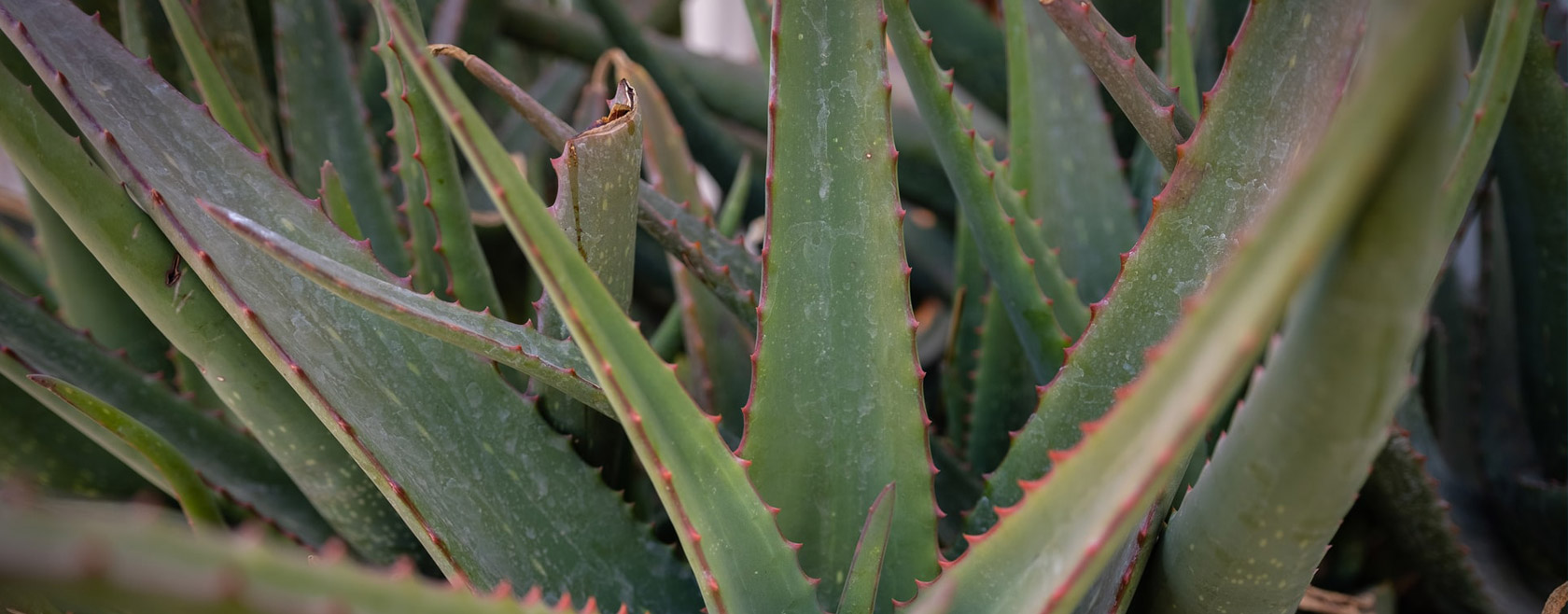
Well known in ancient times for its many healing properties, then long neglected by Western medicine, aloe is making a comeback among natural therapies. From skin burns to heartburn to arthritis pain, aloe can often kick in in one way or another. And when it is not to cure, it is at least to relieve or "give a helping hand" to official remedies. Christopher Columbus had just nicknamed him the "doctor in pot". Nowadays, the nloe is considered the first aid plant par excellence in the southern United States and Mexico, as well as in several countries where the climate is favorable to it.
Aloe vera has all the qualities necessary to fulfill such a role. It is bactericidal, fungicidal, virulicidal; it nnesilies the tissues and stops itching; it reduces the period of bleeding; it fights fever and In conslipation; it is anti-inflammatory; it dilates the blood cells and clarifies the blood; it promotes proliferation, ingestion, "digests" dead tissue, hydrates dry skin and penetrates the skin deeply, etc.
Of course, such a versatile remedy arouses suspicion and risks being accused of being a panacea or "magic potion". For many doctors, "what heals everything does not heal anything". From the point of view of official medicine, a “real” remedy must have a specific effect, and all the active components must be fully understood. However, aloe is still an outlaw by taunting this well-established rule. And it turns out that the many uses of aloe have always been the same, whether in Asia, America, Africa or even on certain islands lost in the middle of the ocean. There is a significant consensus here that confirms what has been called the "theory of convergent evolution of folk remedies."
- why Aloe vera is the most famous aloe
- why it is so important to distinguish sap and mucilaginous jelly from aloe vera
- why officinal aloe has very little to do with fresh or stabilized aloe vera
- what are the respective merits of the fresh leaf and commercial products
- what are the possibilities of therapeutic application of aloe vera and its regional varieties
- what is the scientific evidence for the effectiveness of aloe vera
- how to use it to treat yourself
- how to spot good brands
- how to effectively "cure" Aloe vera so that it in turn heals you
Still, aloe's somewhat "magical" reputation has not stopped many scientists from studying it. And they have come to confirm many of its legendary properties. They even found new ones for him, for example in the case of AIDS and angina pectoris. But in addition to these multiple medicinal uses, it is now also recognized as having interesting nutritional properties. Aloe is rich in vitamins, mineral salts, amino acids, enzymes, mono and polysaccharides